Watercolor Raspberry Clipart: A Designer’s Real-World Embroidery Review
First Impressions: Soft, Artistic, and Versatile
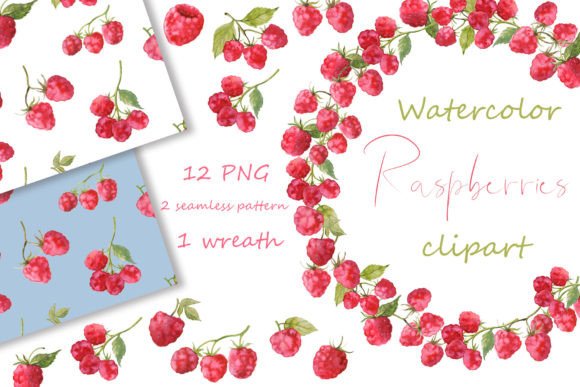
Opening the Watercolor Clipart, Raspberry Clipart file, I was immediately drawn to the soft, painterly texture and the warm, vibrant tones of the raspberry. It has a gentle, hand-brushed aesthetic that feels both modern and nostalgic—perfect for designs that need a touch of organic charm. The illustration flows naturally, with subtle gradients and blurred edges that mimic real watercolor brushstrokes. This isn’t a crisp, geometric design; it’s expressive, with a visual personality that leans toward handmade warmth rather than technical precision.
Real-Life Use: Custom Tote Bags and More
I decided to test the design on a custom tote bag project, something many Etsy sellers and small shop owners would likely use. The tote was a natural cotton canvas, medium weight, and the raspberry clipart scaled to about 5 inches wide. I used a mid-weight stabilizer and a basic tear-away backing. The result was lovely—soft edges held up well during stitching, and the color transitions gave the embroidered piece a painterly finish that looked like it was hand-painted rather than machine-stitched.
This design would also work beautifully on sweatshirts, baby onesies, or holiday gift tags. Its gentle curves and organic feel lend themselves well to baby embroidery, personalized gifts, and boutique-style apparel. I could easily see it used in a nursery wall hanging or a set of embroidered tea towels for a boutique kitchen line.
Performance Across Fabric Types
One of the first things I checked was how the design performed on different fabrics. On a smooth cotton twill, the satin and fill stitches captured the watercolor texture beautifully. But on a stretchy knit fabric, I noticed slight distortion in the softer edges—nothing catastrophic, but enough to suggest a tighter stitch density or additional underlay might be needed.
Dark fabrics required a color test. I stitched the raspberry clipart over black cotton, and while the reds stood out nicely, the lighter watercolor washes faded into the background. I recommend using a light-colored underlay or a white applique base for better contrast on darker materials.
Where to Use with Caution
This design is not ideal for very small hoop sizes. The soft edges and subtle details can get lost below 2.5 inches. If you're planning to use it on a cap or curved surface, be mindful of how the fabric tension affects the soft outlines. I tested it on a curved hoop and found that the edges blurred slightly more than expected, making the design look less defined.
Also, if you're embroidering on textured or loosely woven fabrics like burlap or linen, test the design on a scrap first. The fine watercolor strokes may not translate well without a smooth, stable surface underneath. For baby clothes or items that need frequent washing, I’d suggest using a wash-away stabilizer to ensure the design holds up through multiple cycles.
Design Impact on Product Value and Customer Appeal
From a visual appeal standpoint, Watercolor Clipart, Raspberry Clipart elevates the perceived value of a handmade product. It’s not a generic digital image—it has artistic depth and a handcrafted look that resonates with buyers looking for something unique. I tested it in both black and white mockups, and it held up well in both, though it truly shines on lighter backgrounds where the color gradients can pop.
For Etsy sellers or small business owners, this type of design can help differentiate your offerings. It reads as high-end without requiring complex stitching, which makes it accessible for both beginners and more experienced embroiderers. In a holiday gift collection or personalized baby item line, this design could serve as a signature touch that builds brand recognition and customer trust.
Practical Notes for Embroidery Designers
Before stitching, always test the design on a similar fabric to your final product. I found that thread color contrast played a big role in how the watercolor effect translated. I swapped out a few thread shades to enhance the depth, especially in the lighter washes.
- Check stitch density—especially in the soft gradient areas.
- Confirm hoop size compatibility before resizing.
- Inspect small details under magnification to ensure clarity.
- Try a black and white mockup to test contrast and readability.
- Use appropriate stabilizers based on fabric type—cut-away for stretchy knits, tear-away for stable weaves.
If you're planning to sell finished products or digital embroidery files, always verify the licensing terms. This design is listed under Illustrations, so make sure it allows for commercial use before offering it as part of a digital product or embroidered merchandise line.
Final Thoughts: A Versatile Design for the Creative Entrepreneur
Overall, Watercolor Clipart, Raspberry Clipart is a strong addition to any embroidery designer’s toolkit. It brings a soft, artistic touch that’s hard to replicate with standard embroidery files. Whether you're creating custom apparel, boutique-style baby items, or holiday-themed embroidered gifts, this design offers flexibility and visual appeal without requiring advanced stitching skills.
It’s especially well-suited for creative entrepreneurs who want to offer unique, high-quality designs without overcomplicating the embroidery process. Just be mindful of fabric type, hoop size, and color contrast, and you’ll get a polished, professional result every time.