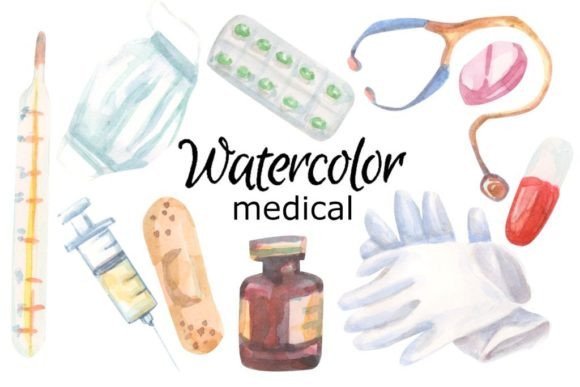
Medical Watercolor Clip Art for Embroidery
As a designer who has spent years translating digital art into tangible thread, I approach every new asset with a critical eye. When I first opened the Medical Watercolor Clip Art file, my initial reaction was one of cautious optimism. The soft, bleeding edges and organic shapes inherent to the watercolor style are visually striking on a screen, but they present a unique challenge when converted into a machine embroidery design. This is not just another generic Illustration; it carries a specific mood that demands careful handling to translate effectively from pixel to stitch.
The First Impression: Mood and Visual Personality
The aesthetic of this clip art is undeniably gentle. It evokes themes of healing, care, and compassion without feeling sterile or clinical. For an Etsy seller or boutique owner looking to create personalized gifts for nurses, doctors, or medical students, the emotional resonance is immediate. However, the watercolor technique relies heavily on gradients and transparency, which are difficult to replicate with standard fill stitches. When I previewed the digitized version, I noticed that the artist had cleverly used varying densities of running stitch and short satin lines to mimic the look of wet paint drying on paper.
This visual personality makes the design perfect for projects where a touch of whimsy is needed. It feels less like a corporate logo and more like a handmade token of appreciation. If you are planning a holiday embroidery project or a graduation gift for a healthcare professional, this design offers a level of warmth that rigid vector graphics simply cannot achieve. The layout is balanced, allowing for customization, but the detail level requires a steady hand and a well-tuned machine.
Real-World Application: From Screen to Sweatshirt
To truly test the viability of Medical Watercolor Clip Art, I imagined a real-life scenario: creating a custom embroidered tote bag for a local clinic's volunteer appreciation event. Tote bags are a staple for craft businesses, often made from canvas or heavy cotton duck. In this context, the design performed admirably. The texture of the canvas helped break up the stitch lines, enhancing the "painterly" effect rather than exposing the mechanical nature of the stitching.
I also considered how this would look on a sweatshirt. A crewneck sweatshirt is a popular item for small shop products, offering a cozy backdrop for medical-themed designs. Here, the softness of the fleece fabric complemented the watercolor aesthetic. The design did not feel out of place; instead, it added a layer of sophistication to what could have been a basic promotional item. For baby embroidery, such as a onesie or a nursery pillow cover, the gentle color palette and soft shapes make it an excellent choice. Parents appreciate designs that feel curated and thoughtful, and this asset delivers exactly that.
However, versatility does not mean universal application. While the design shines on flat, stable surfaces, its performance changes drastically on curved items like caps. The intricate details of the watercolor blooms can distort on the dome of a hat if the hoop size is not managed correctly. Similarly, on thin fabrics like a silk scarf or a lightweight tea towel, the density of the stitches might cause puckering, ruining the delicate illusion of watercolor washes.
Navigating Technical Challenges and Fabric Choices
Working with Medical Watercolor Clip Art requires a strategic approach to stabilizer selection and thread colors. Because the design mimics translucent layers, using a standard white underlay on dark fabric can kill the effect. Instead, I recommend testing the design on scrap fabric first to see how the thread interacts with the background. On dark fabrics, you may need to use a lighter fill stitch or even consider an applique design approach to define the edges before filling in the softer areas.
Stitch density is another critical factor. In areas where the watercolor effect is meant to be light and airy, high-density fill stitches will create a solid block of color, losing the artistic intent. You must review the digital embroidery file settings to ensure that the spacing allows some of the fabric to show through. This technique is essential for maintaining the visual appeal and ensuring the finished product looks like a painting rather than a dense patch of thread.
Furthermore, small hoop sizes can be problematic. If you attempt to stitch this design in a 4x4 inch hoop, you risk distorting the proportions of the larger elements. Always confirm the hoop size requirements before starting your embroidery project. For commercial embroidery work where consistency is key, using a larger hoop ensures that the design remains true to its original form across multiple items.
Design Integrity and Business Considerations
For the creative entrepreneur or digital product seller, understanding the limitations of this asset is crucial for building customer trust. If you sell finished goods, the quality of the embroidery directly impacts your brand reputation. A poorly executed watercolor design can look muddy or unfinished, leading to negative reviews. Conversely, a well-stitched piece enhances the perceived value of your handmade product.
Before launching a line of custom apparel featuring Medical Watercolor Clip Art, I advise creating printable mockups to visualize the final result. Test the design in black and white to check contrast, then move to full-color simulations. Compare how the design appears on light versus dark fabric backgrounds. This step is vital for ensuring that your marketing materials accurately represent what the customer will receive.
Licensing is also a non-negotiable aspect of using this design for business. Whether you are selling physical items like embroidered patches or digital files for other makers, you must confirm the licensing terms. Some Illustrations are licensed for personal use only, while others allow for commercial embroidery projects. Never assume; always verify that you have the right to sell finished items or distribute the digital embroidery file.
Practical Designer Notes for Success
- Test Run: Always stitch a sample on the exact fabric you plan to use. Check for puckering and color blending.
- Stabilizer Choice: Use a cut-away stabilizer for stretchy fabrics like sweatshirts to maintain shape and prevent distortion.
- Thread Contrast: Ensure your thread colors provide enough contrast against the fabric to maintain the clarity of the watercolor effect.
- Hoop Management: Secure the fabric tightly to avoid shifting, especially around detailed corners and tiny lettering.
- Density Check: Adjust stitch density in your software if the default settings appear too heavy for the desired aesthetic.
- Licensing Verification: Double-check the license agreement to ensure compliance for both personal and commercial use.
In conclusion, Medical Watercolor Clip Art is a powerful tool for designers who understand its nuances. It transforms standard medical motifs into something deeply human and artistic. By respecting the technical requirements of the medium and choosing the right applications, you can create products that stand out in a crowded market. Whether for a heartfelt personalized gift or a professional boutique product, this design offers a unique opportunity to blend artistry with functionality.