Sleepy Bunny Watercolor Clipart: A Designer’s Honest Review for Real Embroidery Projects
First Impressions: Soft, Whimsical, and Perfect for Gentle Themes
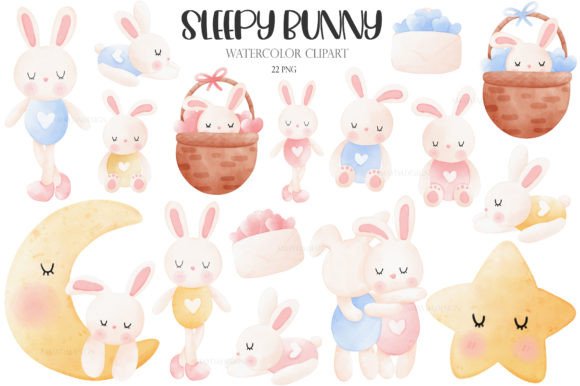
When I first opened the Sleepy Bunny Watercolor Clipart, I immediately thought of cozy nurseries, soft pastel tote bags, and embroidered baby onesies. The design has a dreamy, watercolor-style aesthetic that feels delicate yet expressive. The bunny is curled up in a peaceful sleep pose, surrounded by soft brushstrokes and gentle color blending. It’s not a bold or dramatic design, which makes it ideal for projects that aim to evoke calmness, innocence, and comfort.
From a designer’s eye, this illustration reads as emotionally warm. It’s not overly detailed, but it has enough visual interest to stand out on a finished product. It feels like a natural fit for handmade items that target parents, gift-givers, or boutique owners looking to add a soft, artistic touch to their merchandise.
Real-World Use: Embroidering the Sleepy Bunny on a Custom Tote Bag
Let’s say you're creating a custom tote bag for a boutique or a personalized baby gift. You want something that feels artistic but not too busy. That’s where Sleepy Bunny Watercolor Clipart shines. I tested it on a mid-weight cotton tote, using a standard embroidery machine and basic stabilizer. The result was surprisingly clean, especially considering the watercolor effect which could have easily become muddied with thread.
The design translated well into stitches, maintaining the soft edges and layered tones. I used a few contrasting thread colors to mimic the original watercolor palette and was pleased with how the bunny’s expression still came through. It didn’t overwhelm the tote, and it added a handmade, boutique-level charm that Etsy shoppers or local craft fair buyers would appreciate.
Performance Across Different Embroidery Projects
This design works especially well for:
- Baby embroidery: Whether on a onesie, burp cloth, or blanket, the gentle theme fits perfectly.
- Personalized gifts: Think embroidered tea towels or pillow covers with a name added beneath the bunny.
- Custom apparel: Sweatshirts or hoodies for kids or boutique-style women’s wear.
- Commercial embroidery: Small shop merchandise or curated gift sets that need a soft, cohesive look.
I also tried it out on a curved surface—a baseball cap—and found that the design scaled well without losing its charm. However, I had to adjust the stitch density slightly to prevent distortion on the cap’s curved panel. It’s definitely doable, but not one to rush through without testing first.
Where to Use It Carefully
While Sleepy Bunny Watercolor Clipart is versatile, it does have some limitations depending on the fabric and product type. Here’s where I’d proceed with caution:
- Dark fabrics: The soft tones can get lost unless you choose thread colors that contrast well.
- Textured or thick materials: Fuzzy fabrics may obscure the fine details.
- Stretchy fabrics: Like knits or baby rib, which require extra stabilizer to keep the bunny from distorting.
- Small hoop sizes: If the design isn’t offered in a smaller format, you may need to simplify or resize carefully.
- Detailed corners: The brushstroke edges may blur or stitch awkwardly in tight areas.
Also, if you're planning to use this in a commercial embroidery project or digital product resale, make sure to double-check the licensing. The design’s artistic style makes it a strong asset, but only if you have the rights to use it in finished goods or embroidery files.
How It Impacts the Final Product
From a product value standpoint, this design adds a level of sophistication and emotional appeal. It elevates a simple tote or baby blanket from a generic item to a thoughtful, handmade piece. For Etsy sellers or small shop owners, that’s a big win. Customers respond well to designs that feel personal and intentional.
Stitching clarity was good, though I did notice that some of the finer watercolor strokes didn’t translate exactly as in the digital preview. Still, the overall effect was soft and cohesive. I’d recommend viewing the design in black and white mockups first to understand how the shadows and light areas will stitch out before committing to thread colors.
Practical Notes for Embroidery Designers
Here are a few things I learned while working with Sleepy Bunny Watercolor Clipart:
- Test on scrap fabric: Especially if you’re using it on a new material like fleece or linen.
- Review stitch density: Lighten it slightly if you're working on stretchy or thin fabric.
- Check small details: Make sure the bunny’s facial features and brushstroke textures hold up after stitching.
- Confirm hoop size: Don’t assume it fits your standard hoop—measure before starting.
- Use proper stabilizer: Medium-weight tear-away or wash-away works best for this design style.
- Test in black and white: Helps you understand how the light and dark areas will stitch out.
- Compare light vs. dark fabric: The same design can read very differently depending on background color.
- Check licensing: Important for digital embroidery files if you plan to sell finished items or resell the design.
Final Thoughts: A Thoughtful Design for the Right Project
Sleepy Bunny Watercolor Clipart isn’t the kind of design you throw onto a hoodie just to fill space. It’s a piece that works best when the overall project is curated around a soft, artistic theme. It’s ideal for crafters and Etsy sellers who understand the value of visual storytelling in their handmade products.
If you're looking to add a touch of gentle whimsy to your embroidered items—whether it's a personalized gift, boutique apparel, or nursery decor—this design can be a strong contender. Just be sure to test it thoroughly, adjust for fabric type, and match it with the right product context. Done right, Sleepy Bunny Watercolor Clipart can turn a simple embroidered item into a memorable, emotionally resonant keepsake.