Watercolor Bear Train Kids Toy Cliparts: Illustrations That Bring Playful Charm to Content Publishing
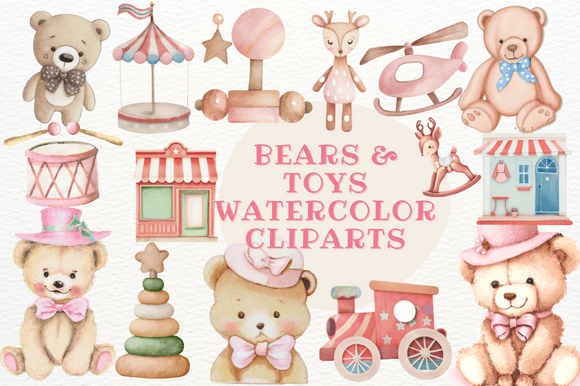
As a blog designer and digital publisher who works with content creators across niches, I’m always on the lookout for design assets that add personality without compromising professionalism. Recently, I reviewed the Watercolor Bear Train Kids Toy Cliparts and was immediately drawn to their whimsical yet versatile aesthetic. These illustrations feel like a warm hug for your content — perfect for creators who want to inject a sense of joy and approachability into their blog visuals, editorial layouts, and digital products.
First Impressions: A Playful, Artistic Mood for Lifestyle and Family-Focused Niches
The first thing I noticed about the Watercolor Bear Train Kids Toy Cliparts is the soft, hand-painted texture. These aren’t crisp vector graphics — they’re meant to feel organic, artistic, and just a little bit nostalgic. The watercolor effect gives them a gentle, breathable quality that works especially well for niches like parenting, early childhood education, DIY crafts, and lifestyle blogging.
From a visual communication standpoint, these illustrations naturally support a lifestyle-focused or educational editorial tone. They feel like they belong in a storybook or a Pinterest board full of cozy playrooms and creative homeschooling ideas. If your brand voice leans toward warm, nurturing, or imaginative, these design assets will help reinforce that emotional connection with your audience.
Real-World Publishing Use Cases: From Blog Graphics to Digital Guides
What really sets the Watercolor Bear Train Kids Toy Cliparts apart is how well they adapt to a variety of content publishing formats. Here are some of the ways I’ve used them in real editorial workflows:
- Blog featured images – Used as background accents or central focal points in Canva templates.
- Pinterest pins – Perfect for educational or parenting content, especially when paired with bold text overlays.
- Digital guides and lead magnets – Add a soft, inviting visual layer to downloadable printables and worksheets.
- Newsletter headers – Great for family or kids-themed email campaigns that need a touch of warmth.
- Social media graphics – Ideal for Instagram Stories or Facebook posts that promote kid-friendly content or affiliate products.
I’ve even used them as decorative elements in media kits and affiliate marketing landing pages — they help break up text-heavy sections while keeping the design from feeling too sterile or corporate.
How These Illustrations Support Content Performance
As a content publisher, you know that visuals are more than just decoration — they’re part of your content strategy. The Watercolor Bear Train Kids Toy Cliparts contribute to several key performance areas:
- Stronger first impression – Their soft, artistic look invites readers to pause and explore your content.
- Clearer visual hierarchy – Use them to highlight key sections in long-form articles or digital downloads.
- Better click-through potential – Especially on Pinterest, where warm visuals often outperform overly polished ones.
- More consistent branding – If your brand palette includes earthy tones or pastels, these illustrations fit right in.
- Improved reader trust – Their handmade feel adds authenticity, which resonates well with niche audiences like moms, educators, and creatives.
Where These Cliparts Shine
Based on my testing across multiple platforms and formats, here are the best use cases for the Watercolor Bear Train Kids Toy Cliparts:
- Hero images – Use as a background or floating elements in a website header.
- Article thumbnails – Works beautifully in niche blogs focused on parenting, toys, or learning resources.
- Newsletter banners – Adds a personal, handcrafted touch to email headers.
- Content upgrades – Ideal for printable coloring pages, checklists, or reading guides.
- Social media previews – Especially effective for seasonal or holiday-themed posts.
When to Use Them Carefully
While these illustrations are incredibly charming, they’re not a one-size-fits-all solution. Here are a few scenarios where you should use them with caution:
- Small mobile thumbnails – The soft lines and textures can get lost on tiny screens.
- Text-heavy blog images – They may clash with bold headlines or reduce readability if not spaced properly.
- Low-contrast backgrounds – Be careful when placing them over pale or busy backdrops; they can fade into the background.
- Corporate or serious niches – These are not suited for legal, finance, or high-tech content unless you're aiming for a creative twist.
- Minimalist design systems – If your brand leans modern and clean, these illustrations might feel out of place.
Publisher Notes: Practical Tips Before You Publish
Before you drop these into your next blog post or digital product, here are some real-world checks I recommend:
- Test on desktop and mobile – Make sure the clipart scales well and remains recognizable on all screen sizes.
- Preview in a blog layout – Place the illustration inside a real article template to see how it interacts with text and white space.
- Try with headline text – Overlay bold titles and check contrast and readability, especially on watercolor backgrounds.
- Check font compatibility – These illustrations pair beautifully with script and handwritten fonts but may feel mismatched with overly formal serif faces.
- Review file size – If you’re using PNGs, compress them for faster load times using tools like TinyPNG or Squoosh.
- Verify commercial licensing – Always double-check that the clipart is cleared for use on monetized websites, affiliate content, or paid digital downloads.
Final Thoughts: A Versatile Graphic Design Asset for Creative Publishers
Overall, the Watercolor Bear Train Kids Toy Cliparts are a strong addition to any content creator’s toolkit — especially those working in kid-focused, educational, or lifestyle niches. As a blog designer, I appreciate how they strike a balance between editorial quality and creative flair. They’re not just decorative; they serve a real purpose in enhancing visual storytelling, improving content engagement, and supporting a cohesive brand identity.
Whether you’re designing a new Canva template, crafting a downloadable resource, or spicing up your Pinterest strategy, these illustrations offer a gentle, artistic touch that helps your content stand out without feeling forced. Just remember to use them thoughtfully, test them in context, and always keep your audience’s expectations in mind.